Indonesia’s women’s league returns after seven-year absence
Indonesia’s women’s league returns on Sunday for the first time since 2019, with six clubs, about 200 players and 24 billion rupiah allocated by the PSSI.
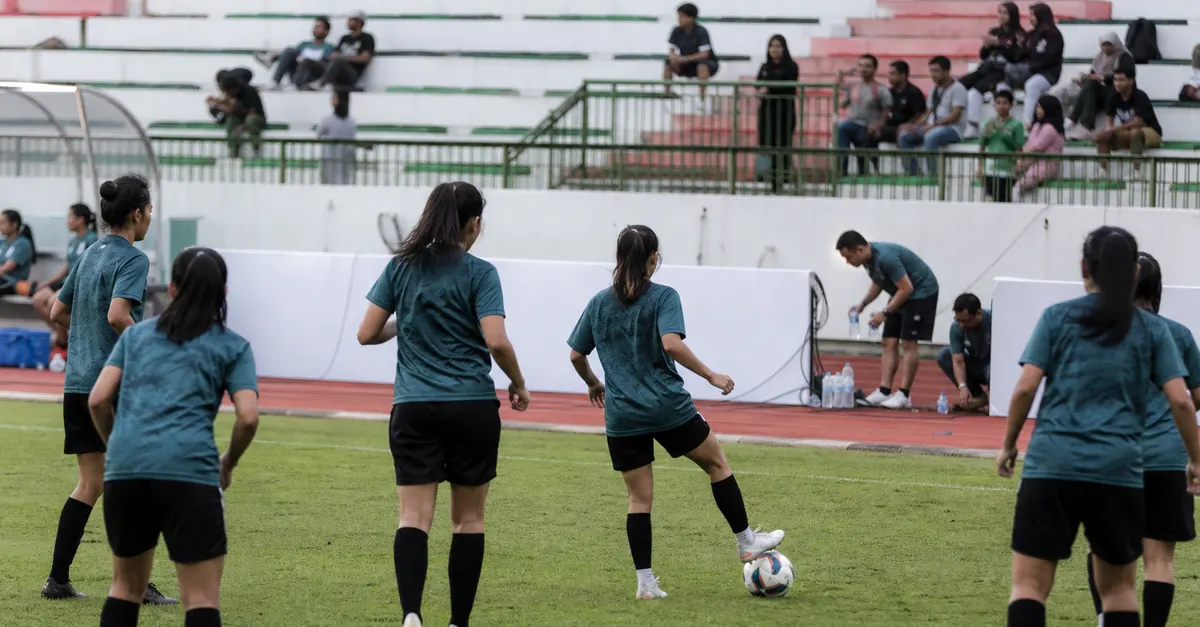
AI-generated illustration · Not an actual photo of the events described
Indonesia’s Women’s League returns on Sunday for its first matches since 2019, ending a seven-year wait for players who have had no permanent domestic competition. Six clubs, all from Greater Jakarta, will take part in the restart, which involves about 200 players.
The Football Association of Indonesia (PSSI) has allocated 24 billion rupiah (US$1.3 million) to revive the league and pay players’ salaries. PSSI chairman Erick Thohir said the competition will begin with a five-year trial period.
A return years in the making
The league managed only one season after its launch in 2019. It was then halted by the pandemic and subsequent financial problems, leaving players without a regular competition.
Garudayaksa Women player Zahra Naqiyyah helped her team win that first season when she was 15. Now 22, she is preparing to return to league football with optimism about what a sustained competition could bring.
“I really believe that if Indonesia’s women’s football is properly managed we can become a powerhouse in Asia,” Zahra told AFP during a training session in Bekasi, east of Jakarta. “I have high hopes for women’s football in Indonesia.”
The years without a league have already had a cost. “Many of my friends ended up quitting because what else could they do? There is no league,” Zahra said. She learnt to be a coach during the break, while other players sought opportunities abroad.
Players balance football and other work
Nastasia Suci Ramadhani played in the Maldives last year before returning to Indonesia in January to play alongside Zahra. The 20-year-old is also studying management at university, uncertain whether the revived league will last.
Persita Women player Azra Zifa Kayla faces a similar decision. The 22-year-old, who hopes to join the national side, teaches physical education to primary school pupils in the mornings and trains in the afternoons.
“I am an athlete first,” Azra said. “But to be an athlete — especially as a woman in Indonesia — can be limiting.” She said education offered a guarantee for her future.
A longer-term test for the league
Garudayaksa coach Yopie Riwoe said Indonesia’s players have lacked continuous, high-intensity training. “We’re trying to go slowly,” he said.
Indonesia’s women are ranked 105th in the world. They won the Asean Football Federation Women’s Cup in 2024 and again this year, but have never reached the World Cup and failed to qualify for last year’s Asian Cup.
IWL boss Teddy Tjahjono said the long-term aim is a sustainable women’s football industry. The five-year trial period begins with six clubs, with the long-term goal of creating a sustainable women’s football industry.
Source: Free Malaysia Today. This article was compiled by the iBET.news newsroom from the source report and other public information.