Used CPU leaves VALORANT player facing reported hardware ban
A German VALORANT player says a used processor triggered a Vanguard block, raising questions about hardware bans and protection for secondhand PC buyers.
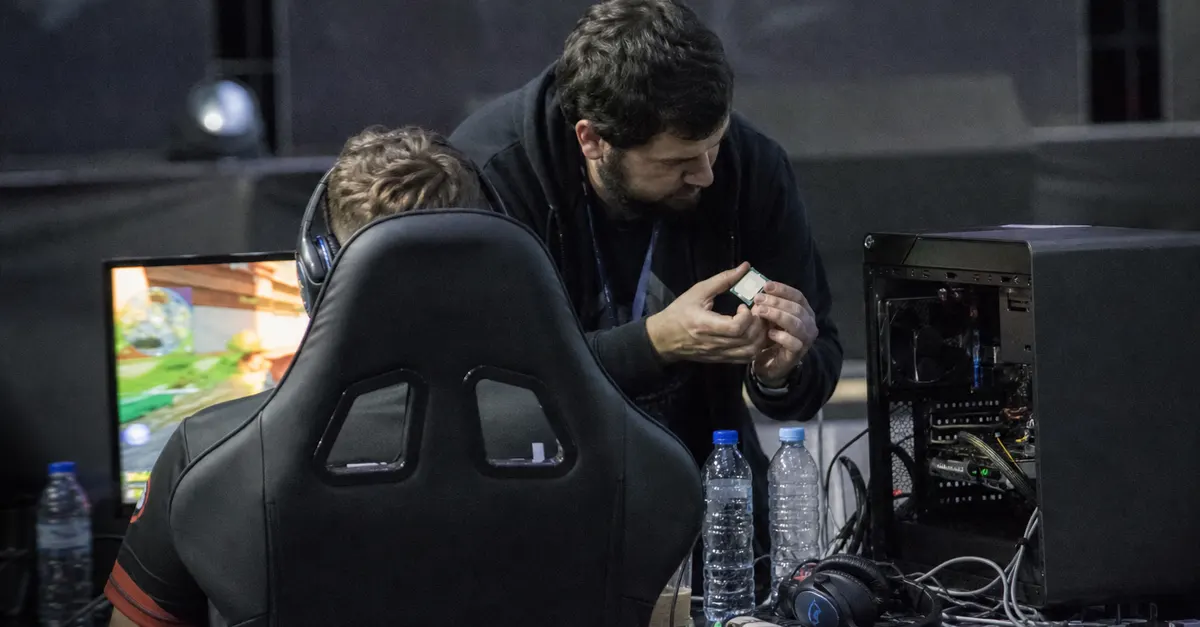
AI-generated illustration · Not an actual photo of the events described
A German VALORANT player says they were blocked from the game after installing a used Ryzen 7 5800X3D processor. According to their account, shared on Reddit and reported by Kotaku, Riot Games support said the CPU had already been blacklisted by its Vanguard anti-cheat system.
The player linked the reported flag to alleged cheating by a previous owner. Riot has not independently confirmed the account in the available reporting, and the player’s account does not establish who owned the processor before the purchase or what Riot found in any investigation.
What the player reported
The player said they bought the CPU on Kleinanzeigen, a German online marketplace, in late September. They reported that VALORANT had worked with their previous processor but kicked them out immediately after they installed the used Ryzen 7 5800X3D.
After contacting Riot support, the player said they were told the CPU’s ID or serial number had been blacklisted in Vanguard on August 12. They said the reason given was that the previous owner had used cheats in VALORANT, although that explanation remains part of the player’s account rather than a finding confirmed by Riot in the available reporting.
The player also said Riot indicated that replacing their graphics card would not solve the problem because other components in the system had been affected. The player believed they might need to replace the entire PC to play again, but the report does not confirm that Riot advised them to buy a new one.
Why secondhand buyers face uncertainty
The case raises a question for players upgrading with used parts: the available reporting identifies no way to check before purchase whether a component is associated with an anti-cheat flag. PCWorld has described cases of this kind as rare, while noting that hardware-based enforcement can cause problems when a flagged part changes hands.
Hardware identifiers can help anti-cheat systems respond when players evade account sanctions. If a flagged component is later sold, however, a new buyer may face an enforcement problem despite having had no part in the original misconduct.
The reported incident does not establish a confirmed remedy for the player or a screening method for other secondhand buyers. It remains a player-reported case, but shows why clear explanations and routes to appeal matter when a hardware-linked sanction may affect someone beyond the account originally under scrutiny.
Source: Esports Insider. This article was compiled by the iBET.news newsroom from the source report and other public information.